
Six landlord habits that now cost money.
Putting the rent up by text. Signing a 12 month fixed term. Taking six months up front. All normal a year ago, and since 1 May every one of them is a mistake. Our free guide covers six of these in plain English, with what to do instead.
Get the free guide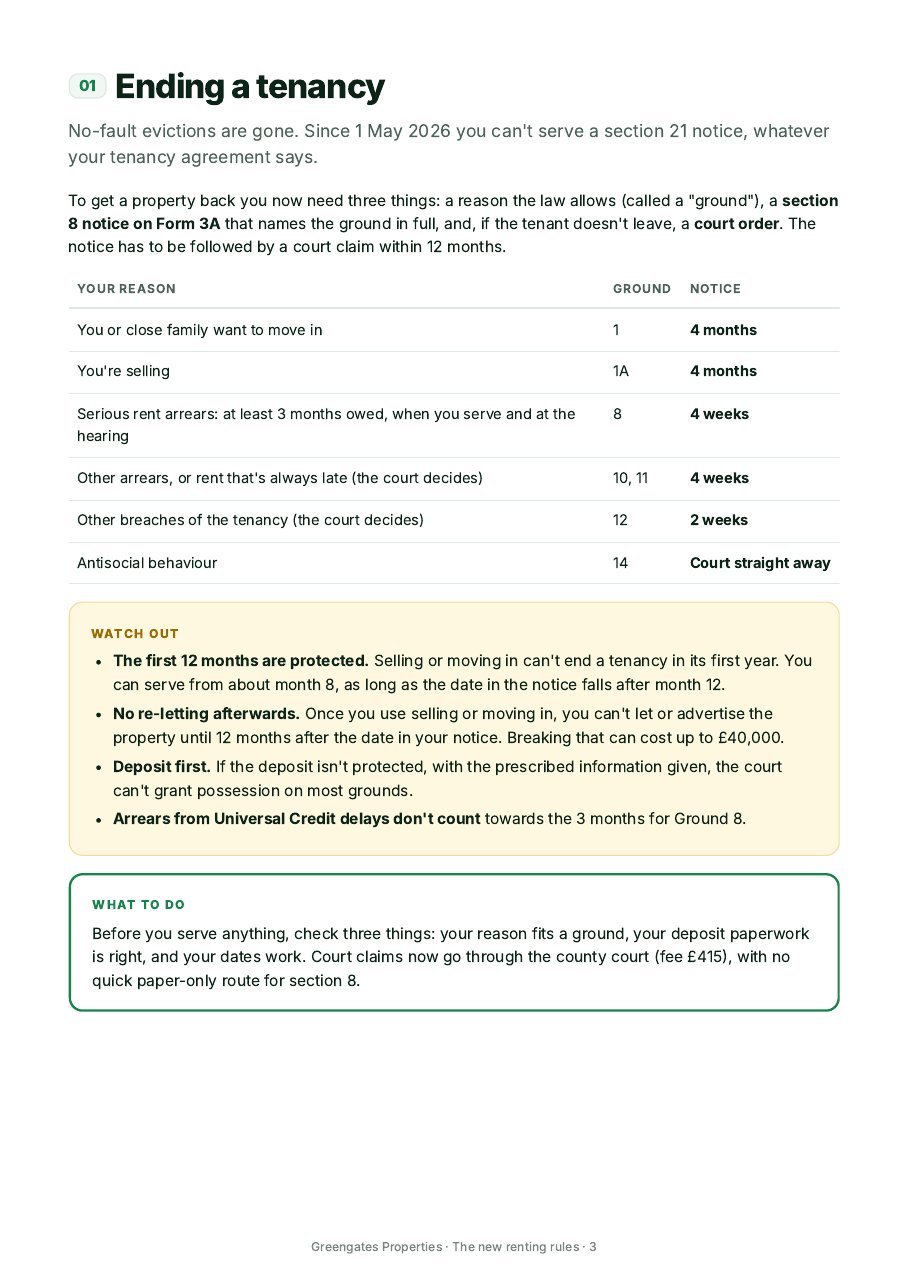
Get the free guide
It goes straight to your email. We ask for your mobile so we can offer you a free Tenancy Health Check.
- Free
- 8 pages
- Plain English
- The guide lands in your inbox within a few minutes. Not there? Have a look in your junk folder.
- Someone from our Birmingham office rings to offer you a free Tenancy Health Check.
- You keep the guide either way, and you don't have to move your properties to us.
 Members of The Property Ombudsman. You'll also get a few short emails on the changes, and one tap stops them. Privacy policy
What's in the guide
The six changes that can cost you money. For each one: what landlords used to do, what the rule is now, and what to do about it.
Ending a tenancy
Two months' notice, no reason needed
You need a legal reason, the right notice and, if the tenant stays put, a court order.
Fixed terms
A 12 month fixed term, then renew
Every tenancy now rolls on with no end date, and tenants can leave on 2 months' notice.
Rent rises
Text them the new rent
Once a year, on the set form (Form 4A), with at least 2 months' notice.
Rent up front and offers
Six months up front, or take the best offer
One month in advance at most, after signing. Advertise one rent and stick to it.
Pets
No pets, full stop
Reply in writing within 28 days, and only say no with a proper reason.
The paperwork
Same agreement as last time
New tenants need a written statement of terms. Existing tenants needed the government's information sheet.
Each part ends with what to do next, and there's a checklist at the back.
What it costs to get it wrong
Councils enforce these rules with fines. It doesn't have to be deliberate, and not knowing isn't a defence.
Most first mistakes. The wrong notice, a fixed term, a missing information sheet, taking the best offer.
Serious or repeated ones. Re-letting a home you said you were selling, illegal eviction, licensing offences.
Of rent a tenant can claim back for some offences, up from 1 year.
In August 2025, Birmingham City Council said it had carried out more than 12,000 inspections and issued £450,000 in fines. That's just for licensing.
Birmingham City Council, August 2025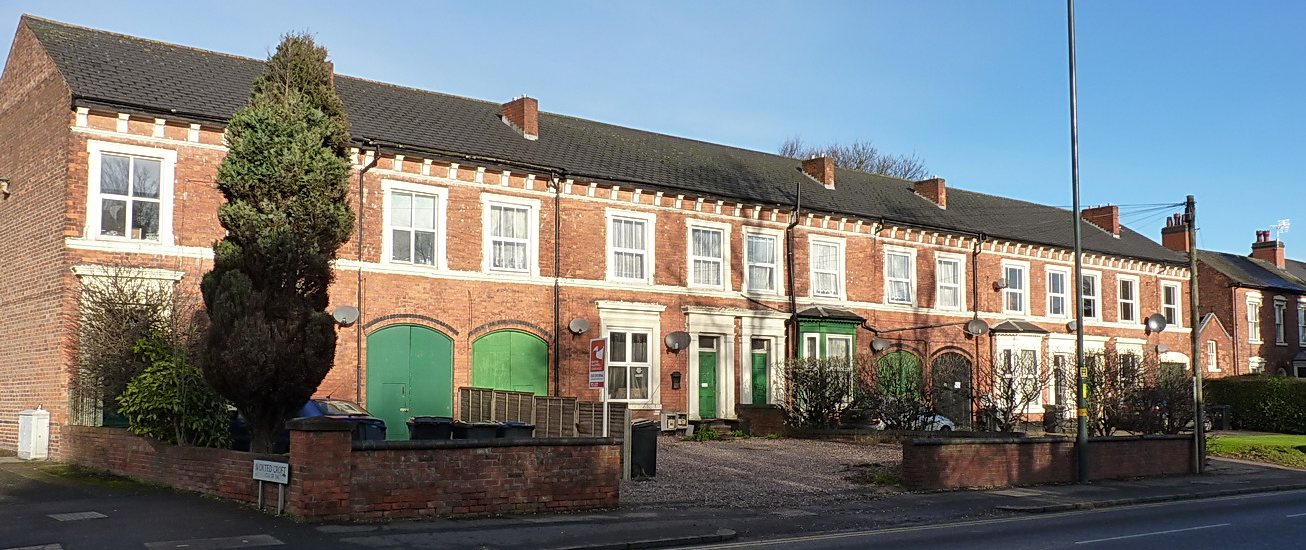
Most of this isn't a solicitor job. It's knowing which form to use and when.
Want a second pair of eyes?
After the guide, we'll offer you a free Tenancy Health Check. Take it or leave it.
-
1.
Read the guide
It lands in your inbox a few minutes after you fill in the form.
-
2.
Book a free Health Check
About 45 minutes on Zoom with Ann, who runs Greengates. You go through your actual paperwork together: notices, certificates, deposit, the agreement wording and your rent.
-
3.
Know where you stand
You leave the call knowing what's fine, what needs fixing and what to do first. No obligation to move your properties to us.
Fair questions
Anything else, ring the office on 0121 248 0033.
Why is it free?
We're a Birmingham lettings agent. Some landlords read the guide and later ask us to manage their properties. That's the whole idea. The guide and the Health Check cost you nothing, now or later.
My letting agent handles all this. Do I need it?
Even with an agent running the day to day, you're the landlord and the liability sits with you. Plenty of agents are on top of the changes. The guide is how you check, because you'll know what should be happening and by when.
Do I have to move my properties to you?
No. Plenty of landlords take the guide and the Health Check and carry on managing it themselves. If you ever want help, you'll know where we are.
Will I get spammed?
You get the guide, a call from a real person at our Birmingham office, and a few short emails on the changes. One tap at the bottom of any of them stops the emails for good. We don't sell your details or pass them on.
My tenancy started before May. Does this apply to me?
Yes. Most of the changes reached tenancies that were already running on 1 May, not just new ones. Fixed terms stopped applying on that date, and the new rent and notice rules apply now. The guide explains what happened to tenancies already in place.
I only have one property. Is this for me?
Especially for you. Landlords with one or two properties are the ones these changes catch out most, because nobody's paid to keep them up to date.
Have a read tonight.
8 pages in plain English. By the end you'll know which of your habits still hold up and which ones need changing.
Get the free guide